The St. Louis Cardinals have undergone significant organizational changes over the past several seasons, signaling a clear departure from the consistency and success that once defined the franchise. Historically known as one of baseball’s most stable and competitive organizations, the Cardinals have found themselves in unfamiliar territory. They have recorded losing seasons in two of the past three years and once again failed to qualify for the postseason in 2025, further emphasizing the challenges the team is facing during this transitional period.
Since 2023, the Cardinals have struggled to maintain their usual standards of performance. That season marked the beginning of a noticeable downturn for the franchise, as injuries, underperformance, and roster construction issues all contributed to disappointing results. For a team accustomed to competing for division titles and playoff spots, the shift was jarring. The front office responded by altering its approach, becoming sellers at the trade deadline in 2023—an uncharacteristic move for an organization long known for contending rather than rebuilding. That same strategy resurfaced again in 2025, reinforcing the idea that St. Louis is now focused on reshaping its roster and resetting its competitive timeline.

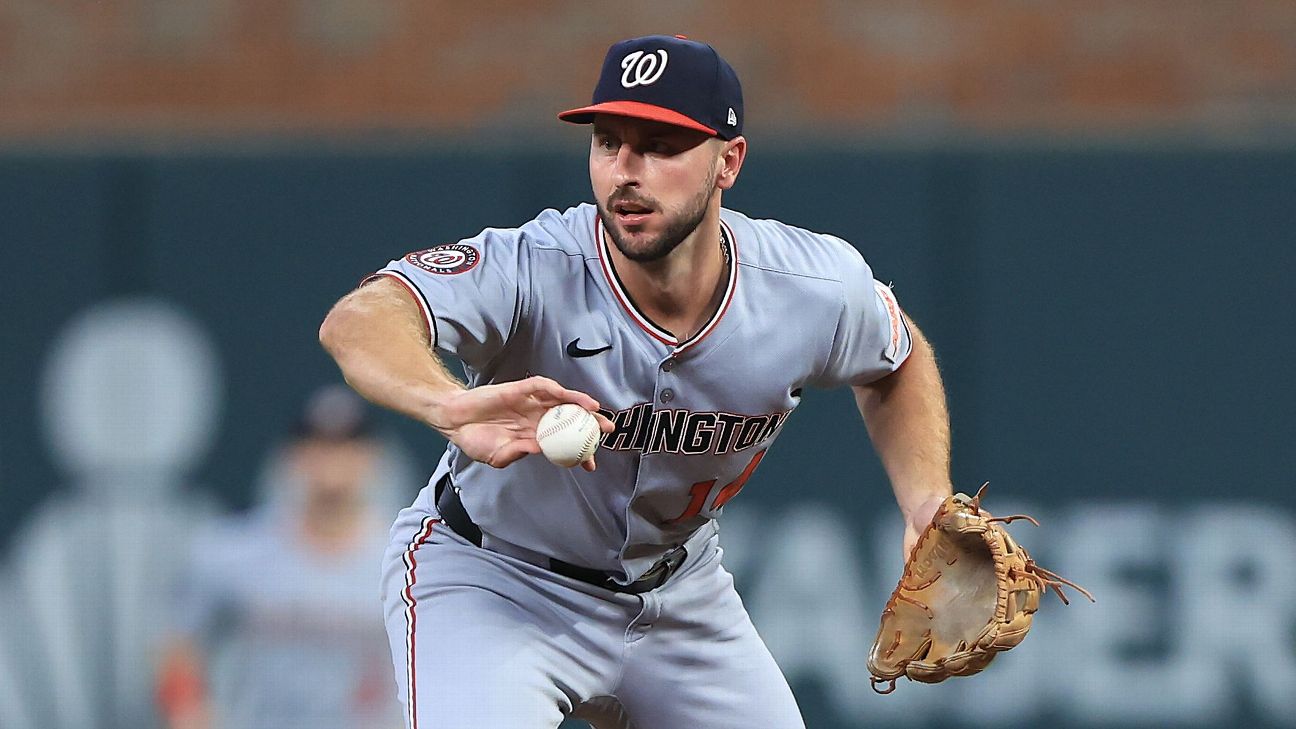
One of the more notable departures during the sell-off was shortstop Paul DeJong, a player who had been closely associated with the Cardinals for much of his career. DeJong was once viewed as a cornerstone of the infield, providing power, defense, and stability at one of the most demanding positions on the field. After being traded, DeJong continued his career elsewhere and eventually spent the 2025 season with the Washington Nationals. According to New York Post insider Jon Heyman, DeJong is now headed to the New York Yankees on a minor league contract, offering him another opportunity to extend and possibly revive his career.
DeJong originally made his Major League debut with the Cardinals in 2017 and quickly established himself as a reliable contributor. He took over as the team’s everyday shortstop and held that role until his trade in 2023. His breakout moment came in 2019, when he earned his first All-Star selection. That season represented the peak of his tenure in St. Louis, as he showcased both his offensive upside and defensive ability, becoming one of the more productive shortstops in the National League.

Now 32 years old, DeJong is no longer the same player he was during his All-Star campaign. His 2025 season with Washington was a difficult one, as he struggled to find consistency at the plate. He finished the year with a .228 batting average, a .269 on-base percentage, and a .373 slugging percentage, along with six home runs and a .642 OPS. Those numbers reflect the challenges he has faced in recent seasons, particularly with offensive production and making consistent contact. Despite those struggles, DeJong still holds value as a depth option, especially for a Yankees team that may be looking for insurance at shortstop if Anthony Volpe continues to experience growing pains in 2026.
One of DeJong’s strengths is his versatility. While he is best known for his work at shortstop, he is capable of playing all four infield positions. That flexibility makes him a valuable utility option, particularly for a team with postseason aspirations that may need reliable depth throughout a long and demanding season. His ability to move around the infield allows managers to rest starters, cover injuries, and create favorable matchups without sacrificing defense.
DeJong’s best year remains his All-Star season with the Cardinals, when he hit a career-high 30 home runs. That power output, especially from a middle infielder, was a significant asset and helped define his early reputation as a power-hitting shortstop. While it is unlikely he will reach those heights again, the raw power still exists. If he can stay healthy and make adjustments at the plate, he could still provide occasional pop from the right side, something that could benefit the Yankees in specific situations.
Signing a minor league deal with New York gives DeJong a low-risk opportunity to prove himself once again. He will enter spring training competing for a spot on the Opening Day roster, knowing that strong performance could earn him a role with a contender. Minor league contracts often serve as a second chance for veterans, and DeJong fits the profile of a potential bounceback candidate who could exceed expectations if circumstances align.

Since leaving St. Louis, DeJong’s career has taken him through several organizations, including the Toronto Blue Jays, San Francisco Giants, Chicago White Sox, Kansas City Royals, and Washington Nationals, before landing with the Yankees. Those frequent moves reflect both the volatility of his recent performance and the continued interest teams have in his skill set. It remains to be seen whether he can establish a longer-term role with the Bronx Bombers and rediscover some of the form that once made him an All-Star in St. Louis.
As the Cardinals continue their rebuilding process, parting ways with familiar faces like DeJong symbolizes a broader shift within the organization. While the team works to develop younger talent and reestablish itself as a contender, former players like DeJong are seeking new opportunities elsewhere. For DeJong, joining the Yankees offers a chance to play for a true postseason contender in 2026. If he can capitalize on that opportunity, he may not only extend his career but also redefine its later stages, proving that a change of scenery can still lead to meaningful contributions at the Major League level.